







Why Your Padlock Won’t Open (And How to Fix It)
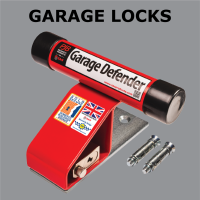
Padlock issues are one of the most common questions we get from customers, especially when it comes to Garage Defender security.
If your padlock has become stiff, difficult to turn, or won’t open at all, it can be frustrating. But in most cases, the cause is straightforward and preventable.
In this guide, we’ll explain why this happens, how to fix it, and the simple steps you can take to stop it happening again.
The Real Reason Padlocks Seize
When people think of lock failure, they often assume damage or a faulty product. In reality, the biggest cause of padlock issues is environmental exposure and lack of maintenance.
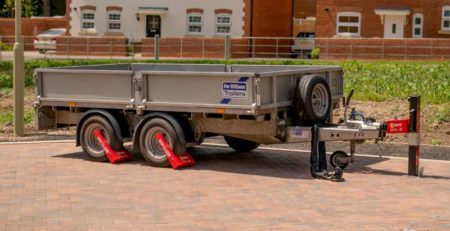
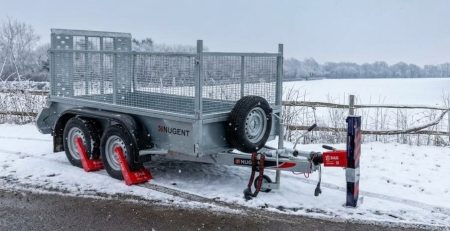
Garage Defender padlocks are positioned:
- Low to the ground
- Fully exposed to rain, dirt, and road debris
- Subject to constant moisture and changing temperatures
Over time, this environment allows:
- Dirt and grit to enter the lock
- Moisture to build up inside
- Rust and corrosion to form
- Internal components to dry out or bind
Even small amounts of debris or corrosion can stop the internal mechanism working smoothly, as padlocks rely on tightly aligned internal parts to function correctly.
Common Signs of a Sticking Padlock
If your padlock is starting to fail, you’ll usually notice early warning signs:
- The key feels stiff when turning
- The key doesn’t insert smoothly
- The shackle doesn’t spring open
- The lock feels “gritty” or dry
These are all typical signs that the lock needs cleaning and lubrication. Left untreated, this can eventually lead to a fully seized lock.
How to Fix a Padlock That Won’t Open
The good news is that most padlock issues can be resolved quickly with a bit of basic maintenance.
Step 1: Check for Dirt and Debris
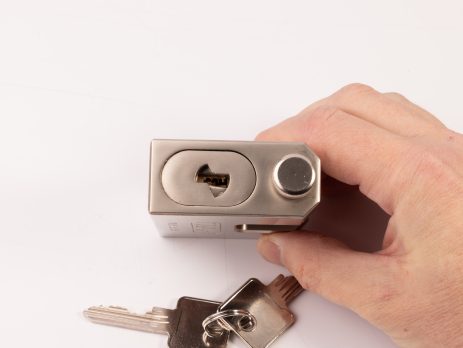
Start by inspecting the keyway. Outdoor locks frequently collect dirt, grit, and even mud.
- Clear visible debris
- Blow out the keyway if possible
- Insert the key gently and retry
Step 2: Clean the Lock
Use a light cleaner (such as WD-40) to flush out dirt and old residue.
- Spray into the keyhole
- Insert and remove the key several times
- Wipe the key clean between attempts
This helps remove grime that may be preventing the internal parts from moving freely.
Step 3: Lubricate Properly
Lubrication is the most important step.
- Use a lubricant (like WD40)
- Apply into the keyway and around the shackle
- Work the key in and out to distribute
Lubrication reduces friction, prevents wear, and helps protect against moisture and rust.
Step 4: Free the Shackle
If the key turns but the lock won’t open:
- Turn the key fully
- Gently pull the shackle upwards
- Repeat several times
A stiff shackle is often caused by dirt or corrosion around the moving parts.
Step 5: Be Patient — Don’t Force It
It’s important not to force the key or lock.
Forcing a stuck padlock can:
- Snap the key
- Damage the internal mechanism
- Make the problem worse
Instead, allow time for cleaner and lubricant to work through the lock.
Why Maintenance Matters (Especially for Garage Defenders)
Unlike many locks, Garage Defender padlocks operate in one of the harshest environments possible:
- Close to standing water
- Constant exposure to weather
- High levels of dirt and road spray
Moisture is one of the biggest threats, as it can cause rust inside the lock and make components stick or fail entirely.
Without regular maintenance, even high-quality padlocks, like SAS padlocks can seize over time.
How to Prevent It Happening Again
The best way to avoid padlock issues is simple: regular maintenance.
We recommend:
- Lubricating every 4–6 weeks (more often in winter)
- Cleaning after heavy rain, mud, or debris exposure
- Keeping the keyway clear
- Operating the lock regularly
Regular lubrication helps prevent rust, reduce friction, and keep the mechanism working smoothly.
When to Replace the Padlock
If the lock still won’t open after cleaning and lubricating, it may be:
- Heavily corroded internally
- Worn from prolonged exposure
- Damaged through forcing or misuse
In these cases, replacement is often the safest solution.
Final Thoughts
A stiff or seized padlock is rarely a fault, it’s usually a sign the lock needs attention.
With Garage Defender systems, where padlocks are exposed to the elements every day, a small amount of regular maintenance makes a big difference.
Taking a few minutes to clean and lubricate your lock can:
- Prevent frustrating lockouts
- Extend the life of your product
- Keep your security performing as it should